Spine Care · Condition Guide
Degenerative Disc Disease
Age-related changes in the discs of the spine are common, and for many people they cause no symptoms at all. When they do contribute to pain, a clear assessment helps explain what is happening and what may help.
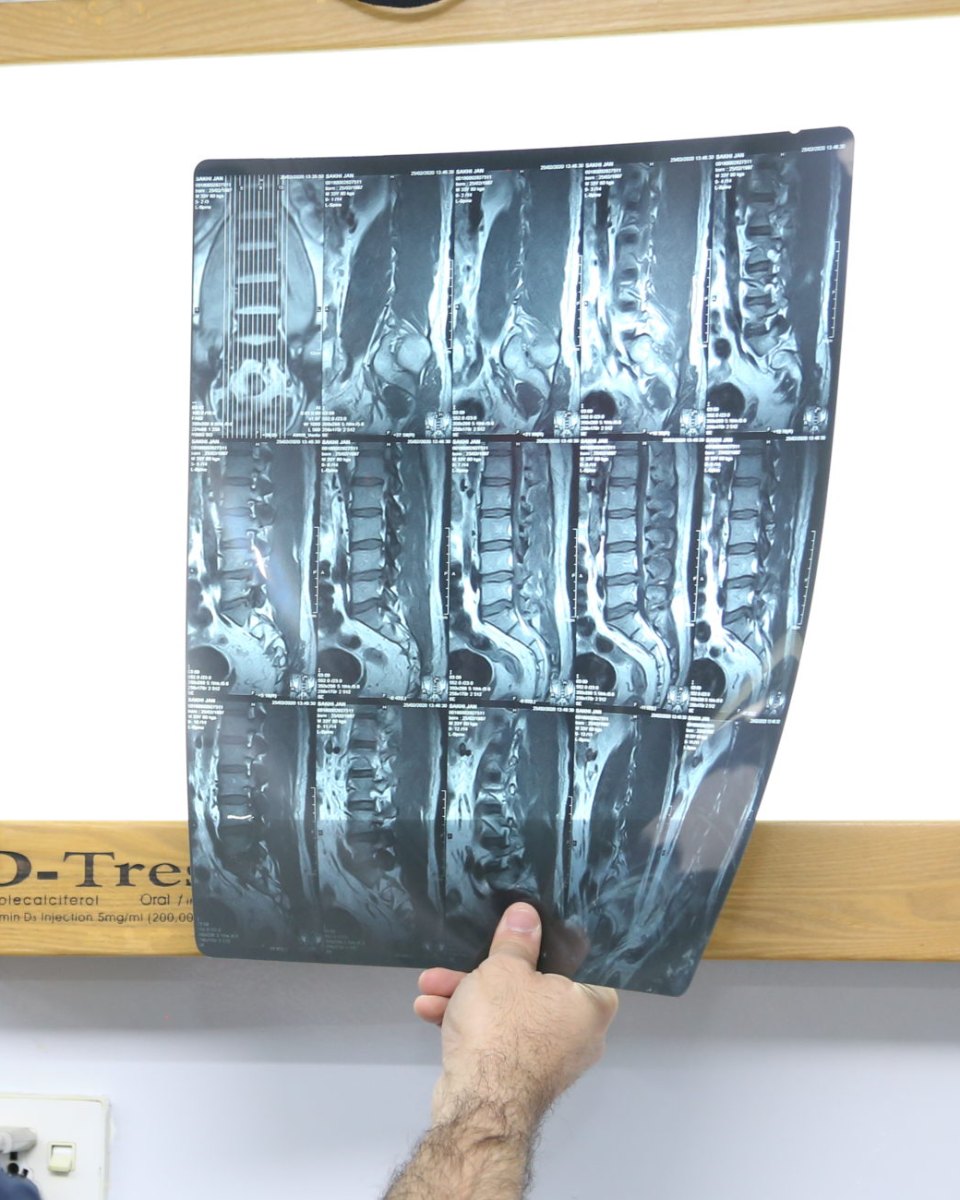
Spine · Disc
Specialist assessment
Hayatabad Medical Complex
Condition
Degenerative Disc Disease
Specialty
Spine Care
Focus
Assessment & Management
Location
Peshawar
Anatomy at a glance
How a disc changes over time
Annulus fibrosus
The tough outer ring can become less flexible and more prone to small tears.
Nucleus pulposus
The gel-like centre gradually loses water and height.
Disc space
As the disc thins, nearby joints and nerves may be affected.
Disc changes are part of normal ageing and are often seen on scans of people without pain.
Understanding the Condition
What Is Degenerative Disc Disease?
Despite its name, degenerative disc disease is not a disease in the usual sense. It describes changes in the intervertebral discs that happen gradually with age.
As we age, the discs between the vertebrae lose some of their flexibility, elasticity and shock-absorbing qualities. The outer fibres of the disc, the annulus fibrosus, can become brittle and tear more easily, while the gel-like centre, the nucleus pulposus, begins to dry out and shrink.
These changes are very common and do not always cause symptoms. When they do, symptoms can vary widely from person to person.
Recognising It
Common Symptoms
Symptoms differ between individuals and may come and go. Some people with disc changes on a scan have no symptoms at all.
Imaging findings alone do not decide treatment; they are interpreted alongside your symptoms and examination.
Back or Neck Pain
Ongoing or recurring pain in the lower back or neck, depending on which discs are affected.
Pain That Flares
Periods of more intense pain that may settle again, sometimes after certain activities.
Stiffness
Reduced flexibility or stiffness, particularly after resting or in the morning.
Pain With Posture
Discomfort that may change with prolonged sitting, bending or lifting.
Causes & Risk Factors
Why Does It Happen?
Disc changes are mainly linked to natural ageing, but several factors may influence how and when they develop.
Factors that may contribute
- Natural age-related loss of water and elasticity in the disc
- Repetitive strain or heavy physical work
- Previous injury to the spine
- Smoking, which may affect disc health
- Excess body weight placing more load on the spine
- Family history and genetic factors
Having one or more of these factors does not mean symptoms will develop.
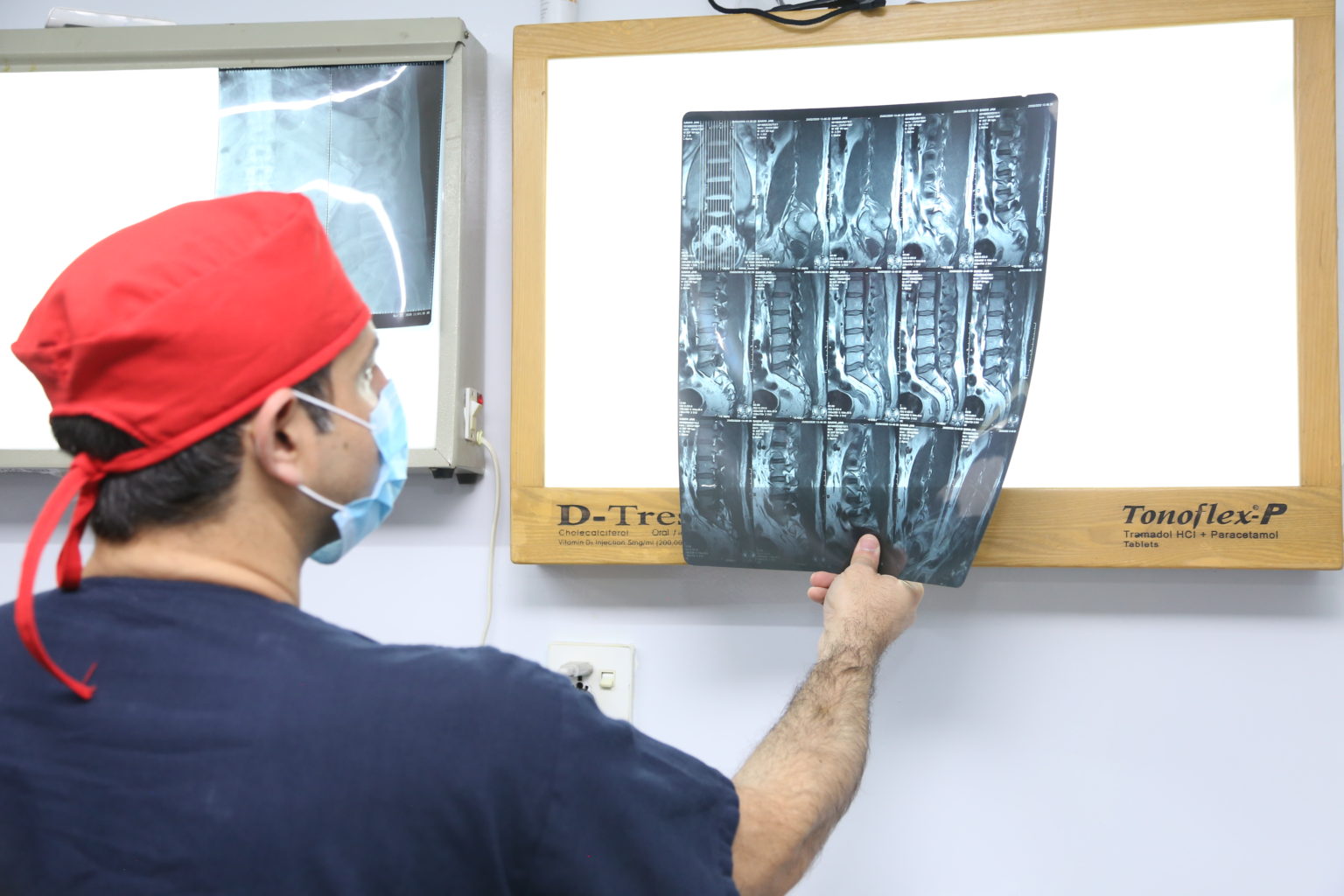
Clinical review of imaging
Clinical Process
Assessment & Diagnosis
Diagnosis is based on a careful clinical assessment. Imaging is used where it is likely to help answer a specific question about your condition.
History
A detailed discussion of your symptoms, how and when they began, what makes them better or worse, and how they affect daily life.
Clinical Examination
Examination of the spine, posture, movement and, where relevant, nerve function such as strength, sensation and reflexes.
Imaging Where Appropriate
X-ray, MRI or CT may be requested when the findings suggest it would be useful. Not every patient needs a scan.
Discussion of Findings
Your findings are explained in clear terms, including what they mean and which options may be appropriate.
Care & Management
Treatment & Management
Management depends on your symptoms, examination findings and how the condition affects daily life.
General Patient Information
For many people, symptoms from disc degeneration are managed without surgery. General approaches can include activity advice, physiotherapy and exercise to support the spine, and medication for pain relief where appropriate.
Surgical treatment may be considered for some patients when symptoms are persistent and significantly affect quality of life, or when there is nerve involvement. This is discussed individually after assessment.
At the Clinic
Following assessment, your findings and the options appropriate to your situation will be discussed with you, and an individual treatment plan agreed.
Treatment decisions are made individually, after careful assessment and discussion.
Spine Care · Peshawar

Specialist Care
Care With a Specialist Focus
Dr. Samir Kabir is an orthopedic and spine surgeon whose clinic is at Hayatabad Medical Complex, Peshawar.
His training includes nine years of surgical training and work in the United Kingdom, the FCPS in Orthopaedics & Trauma, and fellowship training in spine surgery.
MBBS · MRCS · MPH · FCPS Orthopaedics & Trauma
Spine Surgery Fellowship
Patient Guidance
When to Seek Specialist Care
Consider seeing a specialist if:
- Back or neck pain persists for several weeks or keeps returning
- Pain spreads into the arms or legs
- You notice numbness, tingling or weakness
- Pain is affecting sleep, work or daily activities
This page provides general information and is not a substitute for a personal medical consultation.
Related Conditions
Other Spine Conditions
Questions
Frequently Asked Questions
General answers to common questions. Your own situation should always be discussed with a specialist.
Is degenerative disc disease the same as arthritis of the spine?
They are related but not identical. Degenerative disc disease describes changes in the discs, while spinal arthritis usually refers to changes in the facet joints. The two often occur together and are assessed together.
Does a disc change on my MRI mean I need surgery?
No. Disc changes are very common on scans, including in people without pain. Treatment is guided by your symptoms and examination, not by the scan alone.
Can exercise help?
For many people, appropriate exercise and physiotherapy are an important part of managing symptoms. The right programme depends on your individual situation.
Will it get worse over time?
Disc changes are gradual, but symptoms do not necessarily worsen and often fluctuate. Many people manage well with appropriate care.
When is surgery considered?
Surgery may be considered when symptoms are persistent and significantly affect quality of life despite other treatment, or when there is nerve involvement. Each case is assessed individually.
Private Consultation
Discuss Your Condition With Dr. Samir Kabir
If you have ongoing back or neck pain, a specialist assessment can help clarify the cause and the options appropriate for you.
Clinic hours
Monday – Saturday · 4:00 PM – 8:30 PM
Hayatabad Medical Complex, Peshawar
Phone & WhatsApp