Spine Care · Condition Guide
Sacroiliitis
Sacroiliitis is inflammation of the sacroiliac joints, where the spine meets the pelvis. Its pain is often felt in the buttock or lower back and can be mistaken for a hip problem.
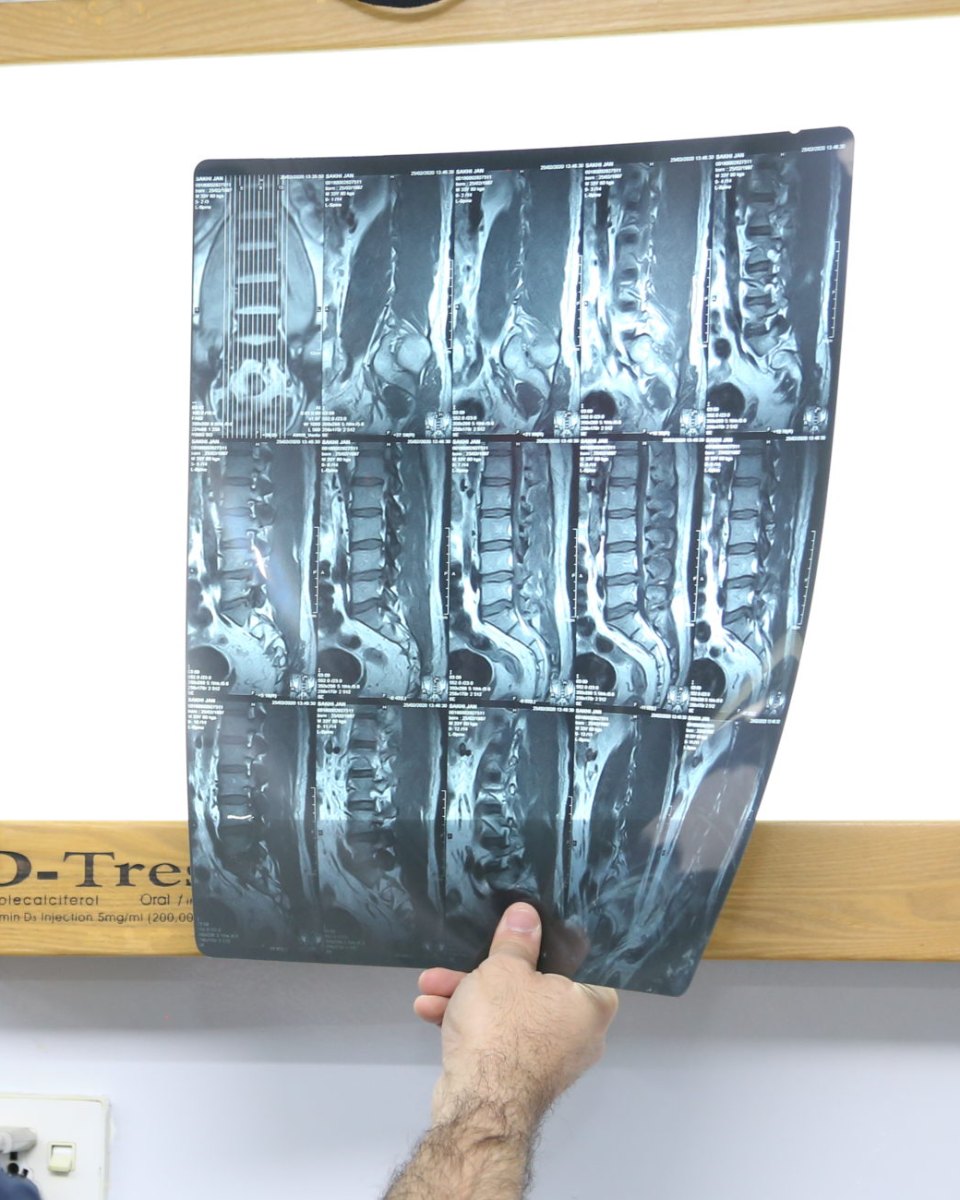
Spine · Pelvis
Specialist assessment
Hayatabad Medical Complex
Condition
Sacroiliitis
Specialty
Spine Care
Focus
Assessment & Management
Location
Peshawar
Anatomy at a glance
Where the spine meets the pelvis
Sacrum
The triangular bone at the base of the spine.
Ilium
The large bones of the pelvis on either side.
Sacroiliac joints
The two joints linking them, which transfer load between the spine and legs.
Because of its location, sacroiliac pain is often confused with hip or lower back problems.
Understanding the Condition
What Is Sacroiliitis?
Sacroiliitis is a condition that causes inflammation in one or both sacroiliac joints, which connect the lower spine to the pelvis.
It can cause pain in the buttocks or lower back, and the pain may extend into one or both hips. Because of where it is felt, it is often thought to be a hip problem when it in fact arises from the joints at the base of the spine.
Careful examination helps distinguish sacroiliac pain from other causes of lower back, buttock and hip pain.
Recognising It
Common Symptoms
Symptoms vary in intensity and may be on one or both sides.
Pain in this area can have several causes, so assessment is important before a diagnosis is made.
Buttock Pain
Pain felt deep in one or both buttocks, at the base of the spine.
Lower Back Pain
Aching or sharp pain in the lower back, often to one side.
Pain Into the Hips
Discomfort that may spread towards the hip or upper thigh.
Pain With Certain Activities
Pain that may worsen with prolonged standing, climbing stairs or putting weight on one leg.
Causes & Risk Factors
Why Does It Happen?
Several factors can lead to inflammation of the sacroiliac joints.
Factors that may contribute
- Traumatic injury, such as a fall or impact
- Arthritis affecting the sacroiliac joints
- Pregnancy and the period after childbirth
- Inflammatory conditions that affect the spine
- Changes in walking pattern or uneven load on the pelvis
Sacroiliac pain is relatively common in women after pregnancy.
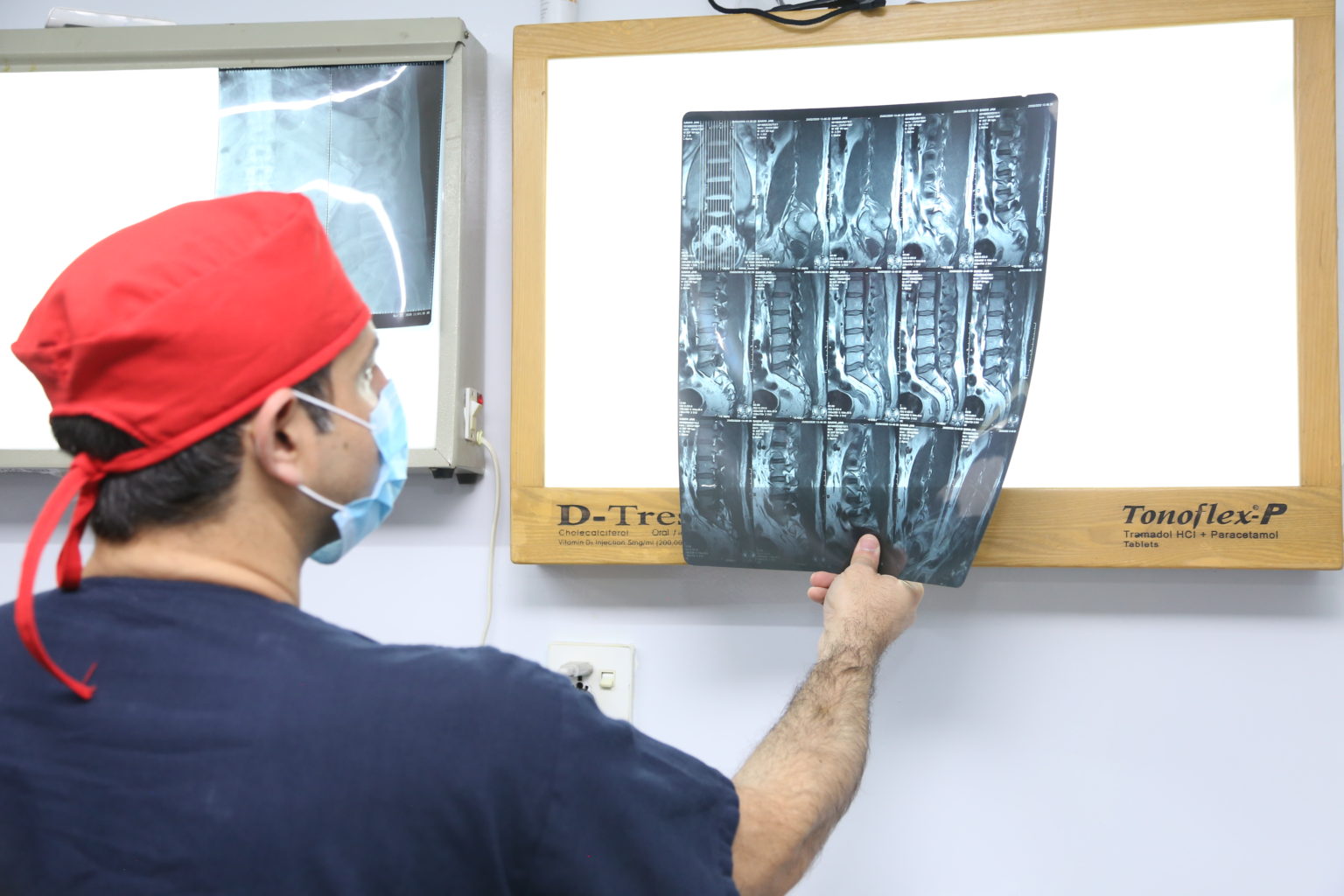
Clinical review of imaging
Clinical Process
Assessment & Diagnosis
Diagnosis is based on a careful clinical assessment. Imaging is used where it is likely to help answer a specific question about your condition.
History
A detailed discussion of your symptoms, how and when they began, what makes them better or worse, and how they affect daily life.
Clinical Examination
Examination of the spine, posture, movement and, where relevant, nerve function such as strength, sensation and reflexes.
Imaging Where Appropriate
X-ray, MRI or CT may be requested when the findings suggest it would be useful. Not every patient needs a scan.
Discussion of Findings
Your findings are explained in clear terms, including what they mean and which options may be appropriate.
Care & Management
Treatment & Management
Management aims to reduce inflammation and pain and to restore comfortable movement.
General Patient Information
Sacroiliitis is generally managed without surgery. Approaches can include activity modification, physiotherapy and exercises to support the pelvis and lower back, and medication for pain and inflammation where appropriate.
Where an underlying inflammatory condition is suspected, further investigation or referral may be advised.
At the Clinic
Following assessment, your findings and the options appropriate to your situation will be discussed with you, and an individual treatment plan agreed.
Careful examination helps separate sacroiliac pain from hip and spine conditions.
Spine Care · Peshawar

Specialist Care
Care With a Specialist Focus
Dr. Samir Kabir is an orthopedic and spine surgeon whose clinic is at Hayatabad Medical Complex, Peshawar.
His training includes nine years of surgical training and work in the United Kingdom, the FCPS in Orthopaedics & Trauma, and fellowship training in spine surgery.
MBBS · MRCS · MPH · FCPS Orthopaedics & Trauma
Spine Surgery Fellowship
Patient Guidance
When to Seek Specialist Care
Consider seeing a specialist if:
- Buttock or lower back pain persists for several weeks
- Pain is spreading into the hips or thighs
- Pain is affecting walking, sleep or daily activities
- Pain began after an injury or fall
This page provides general information and is not a substitute for a personal medical consultation.
Related Conditions
Other Spine Conditions
Questions
Frequently Asked Questions
General answers to common questions. Your own situation should always be discussed with a specialist.
Is sacroiliitis a hip problem?
No, although it is often mistaken for one. The pain comes from the sacroiliac joints at the base of the spine but can be felt in the buttock and hip area.
Can pregnancy cause sacroiliac pain?
Yes. Sacroiliac pain is relatively common during and after pregnancy, as the pelvis changes and the joints are placed under different loads.
How is sacroiliitis diagnosed?
Diagnosis is based on your history and a clinical examination, with imaging or other investigations where appropriate to rule out other causes.
Will I need surgery?
Sacroiliitis is generally managed without surgery. Your options will be discussed with you after assessment.
Can exercise help?
Appropriate exercise and physiotherapy are often an important part of management. The right programme depends on your individual situation.
Private Consultation
Discuss Your Condition With Dr. Samir Kabir
A specialist assessment can help clarify the cause of your symptoms and the options appropriate for you.
Clinic hours
Monday – Saturday · 4:00 PM – 8:30 PM
Hayatabad Medical Complex, Peshawar
Phone & WhatsApp