Spine Care · Condition Guide
Scoliosis
Scoliosis is a sideways curve of the spine. It can occur at any age and is most commonly seen in adolescents, where the cause is usually unknown.
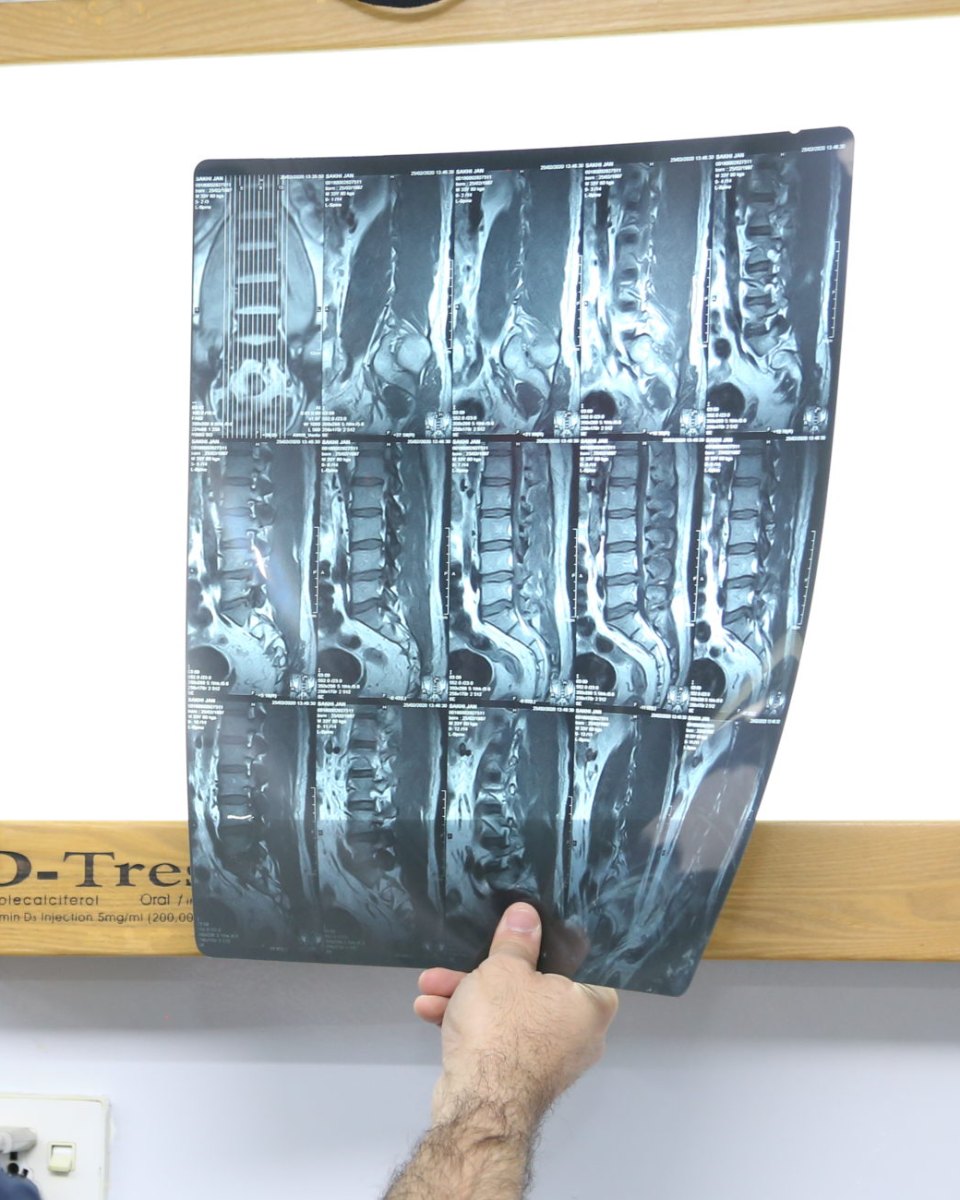
Spine · Curvature
Specialist assessment
Hayatabad Medical Complex
Condition
Scoliosis
Specialty
Spine Care
Focus
Assessment & Management
Location
Peshawar
Anatomy at a glance
Understanding the curve
Normal spine
Seen from behind, the spine normally runs in a straight line.
Sideways curve
In scoliosis, it curves to one side, often with some rotation.
Curve size
Measured in degrees on X-ray to guide monitoring and treatment.
The most common type is adolescent idiopathic scoliosis.
Understanding the Condition
What Is Scoliosis?
Scoliosis is a condition in which the spine curves sideways instead of running in a straight line.
The most common type is adolescent idiopathic scoliosis. It can occur at any age, and in around 80% of cases the cause is not known.
Many curves are mild and need only monitoring. Treatment depends on the size of the curve, whether it is progressing, and whether the patient is still growing.
Recognising It
Common Symptoms
Scoliosis is often painless and may first be noticed as a change in appearance.
Uneven Shoulders
One shoulder or shoulder blade sitting higher or more prominent than the other.
Uneven Waist or Hips
A difference in the waistline or one hip appearing higher.
Rib Prominence
A prominence of the ribs on one side, often visible when bending forward.
Back Discomfort
Some people, particularly adults, may experience back pain.
Causes & Risk Factors
Why Does It Happen?
Scoliosis has several recognised types.
Types of scoliosis
- Idiopathic – no known cause, the most common type
- Congenital – related to how the spine formed before birth
- Neuromuscular – associated with nerve or muscle conditions
- Degenerative – developing in adults due to spinal wear
In around 80% of cases, the cause is not known.
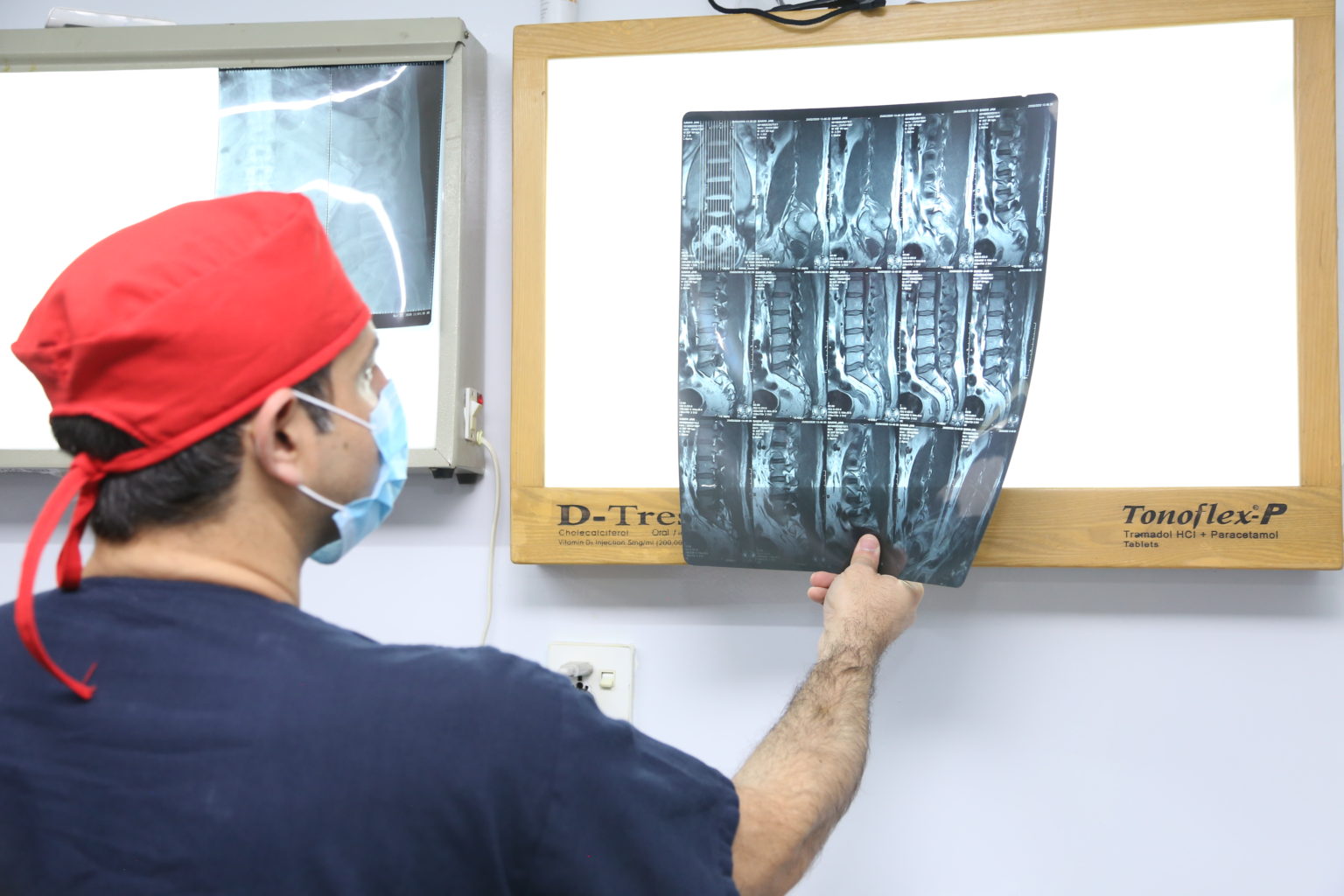
Clinical review of imaging
Clinical Process
Assessment & Diagnosis
Diagnosis is based on a careful clinical assessment. Imaging is used where it is likely to help answer a specific question about your condition.
History
A detailed discussion of your symptoms, how and when they began, what makes them better or worse, and how they affect daily life.
Clinical Examination
Examination of the spine, posture, movement and, where relevant, nerve function such as strength, sensation and reflexes.
Imaging Where Appropriate
X-ray, MRI or CT may be requested when the findings suggest it would be useful. Not every patient needs a scan.
Discussion of Findings
Your findings are explained in clear terms, including what they mean and which options may be appropriate.
Care & Management
Treatment & Management
Management depends on the size of the curve, whether it is worsening and whether growth is continuing.
General Patient Information
Many mild curves require only observation with regular review. In growing children and adolescents, bracing may be considered for some curves to help limit progression.
If the patient is still growing and the curve is over 40 degrees, or is worsening, surgery may be recommended. The most common surgical procedure for scoliosis is correction, stabilisation and fusion of the curve.
At the Clinic
Following assessment, your findings and the options appropriate to your situation will be discussed with you, and an individual treatment plan agreed.
Monitoring and treatment are tailored to the curve, its progression and stage of growth.
Spine Care · Peshawar

Specialist Care
Care With a Specialist Focus
Dr. Samir Kabir is an orthopedic and spine surgeon whose clinic is at Hayatabad Medical Complex, Peshawar.
His training includes nine years of surgical training and work in the United Kingdom, the FCPS in Orthopaedics & Trauma, and fellowship training in spine surgery.
MBBS · MRCS · MPH · FCPS Orthopaedics & Trauma
Spine Surgery Fellowship
Patient Guidance
When to Seek Specialist Care
Consider a specialist assessment if:
- You notice uneven shoulders, waist or hips
- A rib or shoulder blade looks more prominent on one side
- A known curve appears to be getting worse
- Back pain or other symptoms are developing
This page provides general information and is not a substitute for a personal medical consultation.
Related Conditions
Other Spine Conditions
Questions
Frequently Asked Questions
General answers to common questions. Your own situation should always be discussed with a specialist.
What causes scoliosis?
In around 80% of cases, the cause is not known. This is called idiopathic scoliosis. Other types are related to how the spine formed or to nerve and muscle conditions.
Does scoliosis always need treatment?
No. Many mild curves only need monitoring. Treatment depends on the size of the curve, whether it is progressing and whether growth is continuing.
When is surgery considered?
Surgery may be recommended if the patient is still growing and the curve is over 40 degrees, or if the curve is worsening.
Is scoliosis painful?
Scoliosis in adolescents is often painless. Adults with scoliosis may experience back pain.
How is scoliosis diagnosed?
Diagnosis involves clinical examination and X-rays to measure the curve in degrees.
Private Consultation
Discuss Your Condition With Dr. Samir Kabir
A specialist assessment can help clarify the cause of your symptoms and the options appropriate for you.
Clinic hours
Monday – Saturday · 4:00 PM – 8:30 PM
Hayatabad Medical Complex, Peshawar
Phone & WhatsApp